
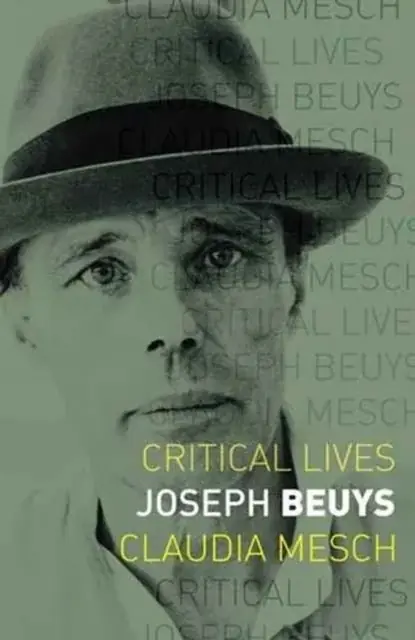
Joseph Beuys is arguably the most important and most controversial German artist of the late twentieth century, not least because his persona is interwoven with Germanys fascist past. This book illuminates two defining threads in Beuyss life and art: the centrality of trauma, and his sustained investigation of the very notion of art itself. In addition to the materials of fat and felt that Beuys used widely in his oeuvre, numerous Beuys artworks are autobiographical in content. His self-woven legend of rescue and redemption still strikes many as a highly inappropriate fantasy, or even an outright lie, located as it is in the harrowing context of the Second World War as it was lived by a German soldier or Nazi. Nevertheless, Beuyss self-mythology confronted the post-traumatic, foregrounding his struggle for psychic recovery. Perhaps most importantly, this led to his major efforts to expand Western art, freeing artists after him to work in a thoroughly interdisciplinary way and toembrace anthropological conclusions about art and culture. Beuyss lived experience determined a consistent commitment to peaceful change and positive transformation not only through his work, but in the discussions and institutions he initiated. His notion of activism-as-art has not only become a widespread practice, but is predominant in contemporary art of the twenty-first century. Exploring Beuyss expansive conception of art and following him into the realms of science, politics and spirituality, this book, in contrast to many other accounts of Beuyss life, attributes extraordinary importance to his own myth-making as a positive force in the post-war confrontation of Germanys past.
Frakt og levering
Rask og pålitelig levering
Fri frakt over 788 kr